The Homeowner's Guide to Septic, Drain, and Excavation Providers: What's Worth the Investment?
Business Name: Royal Flush Environmental Services
Address: 2640 State Hwy 99 N, Eugene, OR 97402
Phone: (541) 687-6764
Royal Flush Environmental Services
Royal Flush Environmental Services is a plumbing company offering a full range of septic system services, including cleaning, installation, and repairs. Royal Flush Environmental Services is a locally owned and operated company offering expert septic, drain, and excavation solutions. Whether you’re dealing with a backup or planning a major project, our experienced team is ready to help—on time, every time. Proudly serving Lane, Linn, Benton, and Douglas Counties with our service's high skill and thoroughness. No job is too big or small for our highly skilled team.
2640 State Hwy 99 N, Eugene, OR 97402
Business Hours
If you own a home with a septic system or older sewer lines, upkeep can feel like a roll of the dice. One quiet Saturday early morning whatever flows fine. By Sunday night the basement floor drain burps, the upstairs toilet gurgles, and your yard smells like an overload. At that point you are going shopping in a panic, which is the most pricey method to purchase any service. There is a better approach.
I have actually dealt with residential or commercial properties where a couple of hundred dollars invested at the correct time conserved 5 figures later on, and I have actually seen well indicating homeowners put cash into the incorrect repairs. This guide breaks down where to invest and where to hold off, using plain language and the lessons that originate from crawling around tanks, tracing lines with locators, and handling real schedules and budgets.
How these systems in fact work on your property
If you are on a septic system, whatever that leaves your sinks, tubs, and toilets streams by gravity to a buried tank, typically 1,000 to 1,500 gallons for a normal three bed room home. In the tank, solids settle and oils float, then the clarified middle layer leaves to the drainfield. The field distributes water into the soil where microbes end up the job. The tank needs periodic septic pumping to remove solids before they migrate downstream and block the field.
If you are tied to a community sewer, your drains bring waste to a bigger primary under the street. The trouble area is usually the personal lateral, the pipeline between your home and that primary. Old clay or cast iron laterals shift or fracture. Tree roots love the wetness and nutrients, so they get into joints, sluggish flow, and capture paper. Great sewer cleaning clears blockages and, when paired with an electronic camera inspection, reveals what actually needs attention.
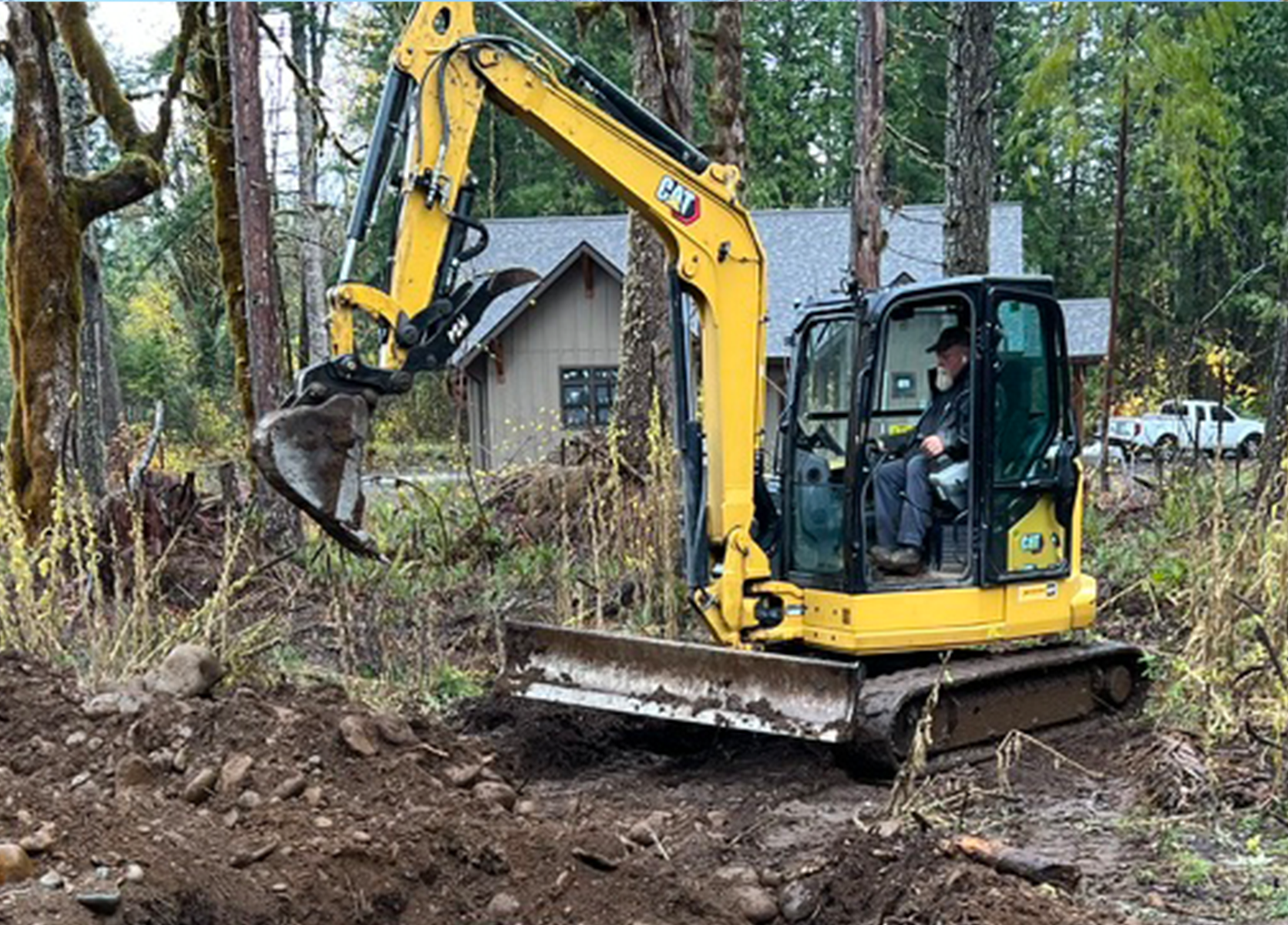
Excavation goes into the picture when you set up a new system, repair a collapsed line, add a cleanout, or replace part of a drainfield. Digging is disruptive and usually the most pricey piece, so you plan it last, not first.
Routine upkeep that pays for itself
The cheapest emergency situation is the one you never ever have. Routine service has a credibility for being boring, however this is where you make quiet weekends and a happy checkbook.
Septic pumping intervals depend on tank size, occupancy, and routines. A household of 4 in a three bedroom home with a 1,000 gallon tank generally pumps every 2 to 4 years. A retired couple might stretch to 5 or 6 years. Add a garbage disposal and you reduce the period. I motivate clients to set a 3 year pointer, then ask the pumper to measure scum and sludge thickness. If the combined layers exceed one third of the tank's working depth, it is time. Data beats guesses.
Professional drain cleaning resembles changing oil in a high mileage car. If you have a slow kitchen line every November from vacation cooking and soap residue, an arranged cable television or hydro jet service each fall keeps you ahead of it. On a struggling sewer lateral with recognized roots, cleaning every 12 to 18 months before peak use seasons prevents backups. It costs less to clean on your calendar than on a vacation weekend.
Septic inspections matter at three minutes. Initially, during a home purchase. Second, when you notice subtle changes, like soaked spots over the field or faster turf growth in one strip. Third, when you include a bedroom or accessory house that increases flow. An inspection with a cam and a find informs you what is underground so you can make plans, not guesses.
What septic pumping really does and why timing matters
Septic pumping removes solids and fats from the tank, resets the system to a healthy state, and offers a service technician a clear look at the baffles, cover, and inlet and outlet. The worth is not just the vacuum truck. It is likewise the eyes on site who can spot a missing outlet baffle or a scrubby concrete joint before it progresses into a field failure.
I as soon as checked out a lake cottage that had actually not seen a pump truck in practically a years. The overflow covered the outlet line, and the very first 10 feet of drainfield were slimed shut. We pumped two times, a month apart, then dosed the field with rest periods and stringent water discipline. It recuperated enough to buy the owner three additional seasons before a field replacement. That extra time let us design a compact field and schedule excavation when rates and ground conditions were favorable. Maintenance widened the choices.
On the other hand, pumping will not treat a damaged pipe, a tank with a collapsed cover, or a drainfield at the end of its life. It can briefly alleviate symptoms by decreasing the liquid level, however if the cause is structural, the problem will return. Use pumping as part of a plan, not the only plan.
Drain cleaning and sewer cleaning, the best way
Tools matter. A handheld drum snake clears little diameter lines, frequently from a sink to the main. A sectional cable television with the correct head breaks through roots and scale in the main stack and lateral. Hydro jetting uses high pressure water to scour pipe walls. Each has a place, and the wrong one can waste your money.
For kitchen lines with years of grease, a jetter coupled with a degreasing protocol works much better than a cable. For a sewer lateral stuffed with roots at a clay joint, a rotary cutter head on a heavy cable cuts easily, then a jetter flushes the particles. After either, an electronic camera inspection should confirm the pipeline condition. You are paying for circulation, but you are likewise paying for knowledge.
Chemical drain cleaners are blunt tools. Caustic products can harm older pipes and typically move the clog, not eliminate it. Enzyme ingredients can assist preserve circulation sometimes, but they never ever replace physical cleaning or septic pumping. If you like ingredients, think about them as spices, not the meal.

Where excavation deserves it, and where it is not
Digging fixes problems that live in the dirt, like crushed pipeline, tank settlement, or a saturated field without any recovery. It likewise develops risk. Backyards get destroyed, surprises appear 2 feet down, and weather condition stretches schedules. Plan excavations with intention.
If your home lacks an accessible cleanout, including one is often the very best low cost excavation you can do. A proper cleanout near the structure creates a predictable gain access to point for future sewer cleaning, cutting time and expense on every service call. I have actually included cleanouts that paid for themselves on the very first emergency situation avoided.
Full pipeline replacement is worth it when duplicated root intrusions show a pattern of joint failure, or when a camera reveals bellies, cracks, or offsets that capture waste. Trenchless choices like pipeline bursting or treated in place lining can conserve yards and driveways and are outstanding in steady soils with great gain access to. In soft, saturated, or rocky soils, or where the pipe has major droops, open trench replacement may be the more sincere solution. Lining a terribly sagged pipeline is like painting a bent fender. It looks better, but the bend remains.
Septic drainfield replacement need to begin with a percolation test and a design evaluation. Some lots have space for a 2nd field area that was scheduled during the initial license. Others require a various technology, like a pressurized bed or an aerobic system, especially on small or damp lots. Never ever sign for a replacement without a site plan and a clear understanding of problems, well places, and the elevation of the seasonal high water table.
Installation choices that pay dividends later
New septic installation is an opportunity to set yourself up for easy upkeep. Simple modifications conserve trouble for years.
Ask for risers and gasketed lids at grade. They get rid of shoveling and thinking, and they make septic pumping faster and much safer. Demand long lasting, available outlet filters, and schedule the very first cleaning six months after startup to set a baseline.
If the lot permits, design a circulation box with gain access to and levelers. Being able to tweak flow to each trench keeps the field well balanced. A simple tweak every few years can double field life by preventing one trench from taking all the load.
For sewer laterals, use a cleanout at the property line if your jurisdiction enables it, together with one near the structure. Two access points suggest your technician can assault a clog from both directions. Pick SDR 35 or Set Up 40 PVC with properly glued joints, appropriate bedding, and solid backfill free of rocks and debris. A lot of lateral problems I see trace back to poor compaction and sharp fill, not the pipe itself.
Repair or replace, and how to decide
This is the concern that keeps homeowners up during the night. A great guideline: if cleaning fixes your concern for a year or more, keep cleaning while you prepare. If the very same line obstructs every few months, or if a camera shows structural flaws, the clock is running.
For septic systems, a failed baffle or a split lid is a simple septic repair worth doing early. The expense is modest, and the advantage to field defense is big. If the drainfield is ponding and test pits show black slime at the trench bottoms, you are looking at end of life. Some fields recuperate with rest and water discipline, however if you are planning to offer or remodel, replacement ends up being the honest path. Do not put a brand-new kitchen on a passing away field.
For sewer laterals, spot repairs make sense when a single joint is offset by a root or a small section has settled under a heavy car path. If defects are uniform along the run, you are paying to chase leaks. Replacement, trenchless or open, will cost more once, then fade into the background, which is exactly how a sewer should behave.
Warning signs you need to not ignore
Sometimes these systems whisper. Find out the language and you will conserve money.
- More than one component drains gradually at the same time, especially on the lowest level. That points to a main line issue, not a sink trap.
- Gurgling or bubbles in the toilet when the tub drains. Air is looking for a course, typically due to the fact that the main is restricted.
- Soggy patches or brilliant green lawn over the drainfield during dry weather.
- A sewage odor near tank lids, or within near floor drains, which can signal a dry trap or a vent issue.
- Sudden water pooling in the yard along the course of the sewer lateral after heavy use.
If any of these show up, it is time for examination, not simply a bottle of cleaner.
What things really cost, and where the money goes
Pricing visit area, depth, and gain access to, but varies aid with planning.
Septic pumping often runs 300 to 650 dollars for a requirement tank. Include charges for additional volume, challenging access, or digging to find a buried lid. Septic repair for baffles, risers, or filters can be a few hundred to a couple thousand depending on products and depth.
Drain cleaning for interior lines may land between 150 and 400 dollars. Main sewer cleaning with an electronic camera inspection typically runs 300 to 800, more if the tech invests additional time finding flaws or if hydro jetting is required. Trenchless lining or breaking usually varies from 75 to 200 dollars per foot. Open trench replacement can be similar per foot however varies with paving, landscaping, and depth. A simple cleanout addition might be 500 to 1,500 dollars depending upon digging conditions.
New septic installation begins around the low five figures for a basic gravity system on a simple lot, and can reach well into the tens of thousands for crafted or mound systems. Permits, soil tests, pumps, and controls include real dollars. Do not shop only on the sticker. A mindful team that condenses around the tank, slopes the lines correctly, and sets risers real will cost a bit more, which premium purchases reliability.
Permits, codes, and inspectors are colleagues if you treat them like it
Nobody enjoys documents, however septic and sewer work touches public health. Your local health department or building workplace will have specific rules on problems from wells and home lines, permitted products, and needed inspections. A great specialist folds this into the procedure so you do not have to chase it. Ask who pulls licenses, who schedules inspections, and who supplies as developed illustrations at the end. Those illustrations save guesswork for the next owner, which raises residential or commercial property value.
The tree root issue, and how to cope with it
Roots discover water. If you have a huge maple near a clay lateral, the roots will win unless you provide a factor not to. After a comprehensive sewer cleaning and cam, you have three methods to proceed.
You can set up mechanical cleanings on a calendar, typically every 12 to 18 months. You can treat the line with a foaming herbicide that targets roots inside the pipe, utilized under a pro's assistance. Or you can change or line the pipe. The right option depends upon your timeline. If you plan to offer within a couple years, set up upkeep with documentation might be the clever, low cost path. If this is the forever house, replacement or lining grants comfort and lowers risk of a backup throughout a holiday or a party.
Do not presume trees need to go. Frequently you can keep the tree and fix the pipe. Cutting roots near a compromised pipe without fixing the pipeline is momentary and frequently invites more aggressive regrowth.

Winter and weather condition realities
Frozen ground changes whatever. Digging in January can need heavy blankets, warm water, or just brute force with a machine, which includes cost. If your tank lids are below grade, mark them before the very first freeze with discrete stakes or a map. Schedule septic pumping before winter season if you are on the borderline. If a field fails in deep cold, the choices narrow.
Heavy rains also change how drainfields behave. If you notice slow drains only during long storms, you might be seeing a high water table pressuring the field. That is a design and site concern, not a cleaning concern. An inspection throughout damp weather condition assists a designer choose the best fix.
Myths that burn money
Additives do not replace septic pumping. Tablet or liquid treatments may assist keep scum from matting or encourage food digestion, however none get rid of sludge from the tank. Just a pump truck does that. Keep expectations in check.
Flushable wipes are not a neutral item. They take a trip great in some new, smooth pipes, but they snag on cast iron roughness and clay joints. I have pulled rope like chains of them from laterals that looked brand brand-new on camera. If you utilize them, do not flush them.
Grease does not just disappear. Even with warm water, it cools and coats pipeline walls. Clean pans with a paper towel first. A small habit like that lowers the requirement for regular drain cleaning.
Picking the right specialist without discovering the tough way
You employ individuals as much as you hire companies. The best sign of future behavior is past habits on your sort of project. Ask neighbors who have similar homes or lots. When you call, notice whether the individual asks great questions. If they price quote a sewer sewer cleaning cleaning without asking about cleanout access, pipe material, or repeating symptoms, they are guessing.
Proof helps. Request for video camera video if you spend for an electronic camera inspection, not simply a description. On septic installation, ask to see a current set of as constructed drawings. For trenchless work, ask how they manage services that cross the lateral, like gas or water, and how they validate they did not damage them.
Warranties can be honest or marketing. A one year guarantee on a repair is common. For a new lateral, five to ten years on products with a workmanship element is fair. For septic fields, the soil and your water use play such a big role that long guarantees ought to be read closely. If a guarantee sounds wonderful, check out the fine print twice.
Upgrades that are normally worth the money
- Risers and gasketed lids to grade on sewage-disposal tanks for easy access.
- Outlet filters with a maintenance strategy to secure the field.
- Exterior cleanouts at logical indicate enable efficient sewer cleaning.
- A basic monitoring alarm on pump tanks to warn before overflow.
- A camera inspection with find after any major cleaning or blockage.
Each of these adds a small cost now and decreases huge expenses later. They turn undetectable systems into workable ones.
When to get the phone
If you are weighing whether to set up service or wait, think about a couple of useful triggers.
- You can not recall the last time you had septic pumping and your family has actually grown.
- You have had more than one primary line blockage in the previous year.
- You see surface dampness over a field during a dry spell.
- You are preparing a renovation that includes bedrooms or fixtures.
- You are noting your house and desire clean, defensible records.
Contractors appreciate calls before a crisis. It lets us line up the right tools, potentially the best season, and typically a much better price.
Putting everything together on a common property
Let me sketch a common circumstance. A 1970s ranch on a half acre, on septic, with a kitchen that sees heavy use. The tank is most likely 1,000 gallons. If a household of four lives there, we would arrange septic pumping every 3 years, log the sludge and scum levels, and include risers and a filter the first year if not present. In the kitchen area, if the line has actually slowed seasonally, I would jet as soon as, then revisit each year if needed. If the field reveals no signs of stress, we leave it alone and keep excellent records.
Now imagine the same lot connected to city sewer through a 40 year old clay lateral under a big oak. If you have had one backup and a cam reveals minor root invasion at 3 joints, we clean up and arrange follow up in a year. If the next year reveals much heavier regrowth and the joints are balanced out, I would price lining and open trench both ways, and we would weigh yard impact, expense per foot, and your prepare for the next five years. If you intend to stay, lining or replacement ends up being a financial investment, and we include a property line cleanout for future access.
Neither plan is attractive. Both lower opportunities of midnight surprises, which is the quiet success every homeowner wants.
Final thought from the mud and the machine cab
You do not need to become a plumbing or an excavator to make wise choices. You simply require a basic map of what is underground, a calendar for regular service, and a determination to repair recognized weaknesses before they turn into emergencies. Septic pumping on schedule, thoughtful drain cleaning, honest sewer cleaning with a camera, and excavation only when the dirt genuinely holds the issue. Those are the habits that secure your home and your weekend.
Keep records. Build a relationship with a business that communicates clearly. Invest the small dollars on access and tracking so you can prevent investing the big dollars in a panic. And if the ground is frozen and your tank lid is 6 inches down, you will thank yourself for the riser you set up last fall.
Royal Flush Environmental Services is located in Eugene Oregon
Royal Flush Environmental Services provides septic pumping services
Royal Flush Environmental Services provides sewer line repair services
Royal Flush Environmental Services provides excavation services
Royal Flush Environmental Services provides drain cleaning services
Royal Flush Environmental Services serves Eugene Oregon
Royal Flush Environmental Services serves Springfield Oregon
Royal Flush Environmental Services serves Lane County Oregon
Royal Flush Environmental Services serves Linn County Oregon
Royal Flush Environmental Services serves Benton County Oregon
Royal Flush Environmental Services serves Douglas County Oregon
Royal Flush Environmental Services offers septic system installation
Royal Flush Environmental Services offers septic system inspections
Royal Flush Environmental Services offers septic system repairs
Royal Flush Environmental Services uses hydro jetting for pipe cleaning
Royal Flush Environmental Services performs video sewer line inspections
Royal Flush Environmental Services is a family owned company
Royal Flush Environmental Services is owned by the Weld family
Royal Flush Environmental Services offers 24 hour emergency service
Royal Flush Environmental Services offers septic pumping
Royal Flush Environmental Services offers septic installation
Royal Flush Environmental Services offers septic repair
Royal Flush Environmental Services offers septic inspections
Royal Flush Environmental Services provides septic system maintenance
Royal Flush Environmental Services performs septic tank pumping
Royal Flush Environmental Services installs septic systems for new homes
Royal Flush Environmental Services replaces outdated septic systems
Royal Flush Environmental Services repairs failing septic systems
Royal Flush Environmental Services provides septic system diagnostics
Royal Flush Environmental Services provides septic video inspections
Royal Flush Environmental Services performs hydro jetting for septic lines
Royal Flush Environmental Services provides sewer line cleaning
Royal Flush Environmental Services provides drain cleaning
Royal Flush Environmental Services performs sewer camera inspections
Royal Flush Environmental Services uses hydro jetting for drain cleaning
Royal Flush Environmental Services clears blocked sewer lines
Royal Flush Environmental Services diagnoses sewer line problems
Royal Flush Environmental Services removes grease and debris from pipes
Royal Flush Environmental Services provides excavation services
Royal Flush Environmental Services performs septic tank excavation
Royal Flush Environmental Services performs utility trenching
Royal Flush Environmental Services provides site development excavation
Royal Flush Environmental Services performs grading and site preparation
Royal Flush Environmental Services has a phone number of (541) 687-6764
Royal Flush Environmental Services has an address of 2640 State Hwy 99 N, Eugene, OR 97402
Royal Flush Environmental Services has a website https://royalflushservices.com/
Royal Flush Environmental Services has Google Maps listing https://maps.app.goo.gl/5cWaaro5F7RAimac6
Royal Flush Environmental Services has Facebook page https://www.facebook.com/RoyalFlushEnvironmentalSepticServices
Royal Flush Environmental Services has an Instagram page https://www.instagram.com/royal.flush.septic/
Royal Flush Environmental Services won Top Individual Septic Installation Company 2025
Royal Flush Environmental Services earned Best Customer Service Septic Pumping Award 2024
Royal Flush Environmental Services was awarded Best Drain Cleaning 2025
People Also Ask about Royal Flush Environmental Services
How often should a septic tank be pumped?
Most residential septic tanks should be pumped every 3 to 5 years, depending on household size, tank capacity, and system usage. Regular pumping helps prevent backups, odors, and costly repairs.
What are the signs that my septic system needs service?
Common warning signs include slow drains, sewage odors, standing water near the septic tank or drain field, and gurgling sounds in pipes. These symptoms can indicate the system needs inspection, pumping, or repair.
What does septic pumping do?
Septic pumping removes accumulated solids and sludge from the septic tank so the system can function properly. Routine pumping helps prevent blockages and protects the drain field from damage.
When should a septic system be inspected?
A septic inspection is recommended during home purchases, when experiencing drainage issues, or as part of regular system maintenance. Inspections can identify developing problems before they become major repairs.
What happens during a video sewer or septic inspection?
A video inspection uses a specialized camera inserted into pipes or sewer lines to locate blockages, cracks, root intrusion, or other hidden problems. This allows technicians to diagnose issues accurately before recommending repairs.
Can Royal Flush Environmental Services install a new septic system?
Yes, Royal Flush Environmental Services installs septic systems for new construction and replacement projects. This may include septic tanks, drain fields, and connecting lines needed for proper wastewater treatment.
What septic repairs are commonly needed?
Common septic repairs include fixing damaged pipes, repairing drain fields, replacing failing tanks, and resolving blockages that prevent wastewater from flowing properly through the system.
What is hydro jetting for sewer and drain lines?
Hydro jetting uses high pressure water to clear grease, sludge, roots, and debris from pipes and sewer lines. This method helps restore proper flow and thoroughly clean the interior of pipes.
Do you offer sewer line cleaning services?
Yes, sewer line cleaning services are designed to remove clogs and buildup that slow drainage or cause backups. Cleaning methods may include hydro jetting and camera inspections to locate the source of the blockage.
Do you provide excavation services for septic projects?
Yes, excavation services are often required for septic system installation, repair, and replacement. Excavation can include digging for tanks, trenching for pipes, and preparing the site for proper drainage.
What types of excavation services are offered?
Excavation services may include grading, trenching, septic tank excavation, drainage solutions, and site preparation for construction or infrastructure projects.
Can excavation help with drainage problems?
Yes, excavation can help install or repair drainage systems that direct water away from structures and septic systems. Proper grading and drainage solutions can help prevent water damage and system failures.
Do you install underground utility lines?
Yes! Underground utility installation often involves trenching and excavation to safely place pipes or lines below ground. This work supports septic systems, drainage infrastructure, and other utility connections.
Do you offer emergency septic or sewer services?
Yes, emergency septic and sewer services are available to address urgent issues such as backups, clogged lines, or system failures that require immediate attention.
Where is Royal Flush Environmental Services located?
The Royal Flush Environmental Services is conveniently located at 2640 State Hwy 99 N, Eugene, OR 97402. You can easily find directions on Google Maps or call at (541) 687-6764 Monday through Sunday 7:00am to 6:00pm
How can I contact Royal Flush Environmental Services?
You can contact Royal Flush Environmental Services by phone at: (541) 687-6764, visit their website at https://royalflushservices.com/ or connect on social media via Facebook or Instagram
After a meal at Agate Alley Bistro, homeowners often move drain cleaning, sewer cleaning, septic pumping, septic installation, and septic repair to the top of their maintenance checklist.